
Dental Bridges – Oshkosh, WI
Rebuild Your Beautiful Smile
The loss of one or more teeth can take a massive toll on your self-esteem as well as your chewing power and your ability to speak clearly. Thankfully, dental bridges can replace one or more sequential missing teeth with lifelike and functional restorations that look and feel remarkably like the real thing. Here’s a quick guide to how dental bridges work, but please feel free to schedule a consultation at Dr. Heil’s office if you’d like to know more.
Why Choose Oshkosh Complete Dentistry for Dental Bridges?
- Skilled and Compassionate Dentist
- Enjoy a Complete Smile After Tooth Loss
- Insurance Welcomed
What Is a Dental Bridge?
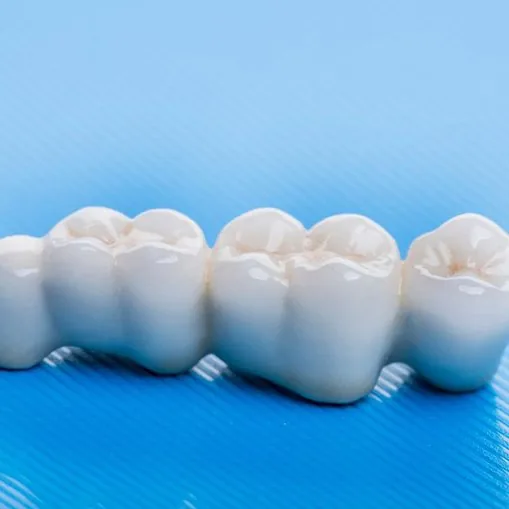
A dental bridge is a string of one or more metal or ceramic artificial teeth supported by two dental crowns placed on the healthy teeth on either side of the gap created by tooth loss or two dental implants surgically inserted into the jawbone. These devices are used to replace one or more sequential missing teeth, and a suitable candidate will need to be free from oral infections like cavities and gum disease in order to receive one. If you aren’t ready to receive a dental bridge yet, we may be able to help you get there with restorative dental work or gum disease treatments.
Types of Dental Bridges
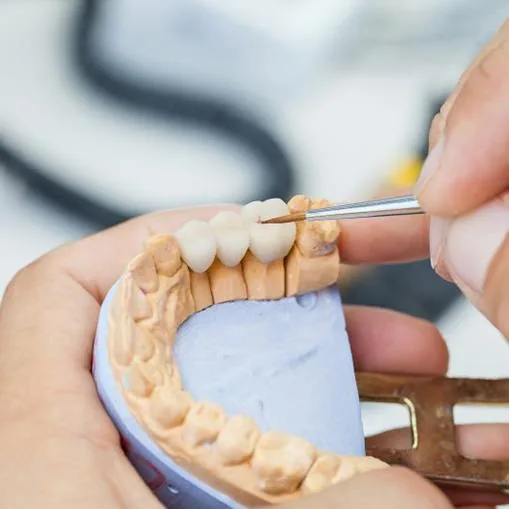
There are several types of dental bridges available, and Dr. Heil will be happy to determine the best tooth replacement device for you during your consultation. Based on his findings, he may recommend:
A Traditional Dental Bridge
Traditional dental bridges are supported by dental crowns placed on the healthy teeth on either side of the gap created by tooth loss. These devices can be cost-effective tooth replacements, and they can last up to seven years if they receive excellent care.
An Implant Bridge
An implant bridge is supported by titanium posts surgically inserted into the jawbone, which means it requires no alteration of healthy teeth. While these devices are more expensive than traditional appliances, they can restore more chewing power and last much longer.
The Benefits of Getting a Dental Bridge

Dental bridges offer a range of impressive benefits like:
- Replacing multiple lost teeth with one appliance.
- Supporting the remaining teeth to prevent dental drift.
- Improving confidence by completing a patient’s smile.
- Enhancing chewing ability.
- Decreasing risk of oral infections and injuries.
The best way to learn how you can replace your lost teeth is to schedule a consultation at our office in Oshkosh. We can’t wait to help you achieve a gorgeous and complete smile.
Dental Bridges FAQs
Is Getting a Dental Bridge Painful?
Before preparing your teeth to support a bridge, your dentist will numb the teeth that they will be working on. Usually, all this takes is a topical anesthetic, but severely anxious patients may benefit from dental sedation. After the tooth has been reprepared and the dental bridge has been placed, the underlying tooth may feel sensitive for a few days. This can usually be managed with over-the-counter pain relievers, but feel free to let us know if discomfort worsens so we can take a look/ Since bridges keep your remaining teeth from shifting out of place, they can actually prevent discomfort going forward.
Is a Partial Denture that Same as a Bridge?
Sometimes, partial dentures are referred to as a removable bridge, but they are not the same thing as a traditional fixed dental bridge. A bridge is designed to stay in place for many years and can only be removed by a dentist, but a patient is able to remove their partial denture at any time. The other main difference is the bridges can only replace consecutive missing teeth, but partials can bring back several teeth at various points along an arch. Bridges are anchored via crowns that are fitted over two of the remaining teeth, while partials typically use metal clips or clasps that go behind the natural teeth.
Do Dental Bridges Look Natural?
Metal-free bridges are made from natural-looking materials that can be color-matched to your other teeth. These materials look very similar to tooth enamel, even in the way that light bounces off of them. Once placed, your bridge should blend in with the rest of your smile quite well. With bridges, you don’t need to worry about your prosthetic falling out either like a denture might.
How Long Should a Dental Bridge Last?
On average, you can respect your bridge to last between 5 and 15 years. However, this varies on multiple factors. The longevity of your bridge can depend on your diet, oral hygiene, and whether you have any bad oral habits. Bridges that replace the front teeth may last slightly longer than those in the back of the mouth, as they aren’t subjected to as much wear and tear from frequent chewing. Bridges supported by dental implants are likely to last longer than traditional bridges. While the restoration itself needs to be replaced eventually, the implant posts remain in place for many years to come.