
Oshkosh Comprehensive Dentistry Blog
Waking Up with a Sore Jaw? Here’s What Your Body Might Be Telling You
September 15, 2026

You wake up, you yawn, and your jaw hurts. Maybe it feels tight along your cheeks, or you notice an ache near your ear when you take the first few bites of breakfast. If this sounds familiar, you are not imagining it and you are not alone. Morning jaw pain is a common reason patients bring questions to our team at Oshkosh Complete Dentistry, and it often connects to what happens while you sleep.
The good news is that jaw soreness in the morning can have a clear explanation, and in many cases, a practical solution. Below, we will walk through the most common underlying causes, what symptoms to watch for, and the first step toward relief so you can protect your oral health and feel more comfortable day to day.
Why does morning jaw pain happen in the first place?
Morning jaw pain usually comes from extra strain on your jaw muscles and jaw joint during the night. While you are asleep, your body can tighten your facial muscles, press your lower teeth into your upper teeth, or create repeated jaw movement that overloads the temporomandibular joint. Over time, that muscle tension can lead to jaw discomfort, facial soreness, and even chronic headaches.
A key reason this sneaks up on people is that nighttime habits are easy to miss. You might not realize you have sleep bruxism, changes in sleep positions, or breathing issues until the soreness becomes a pattern. A professional evaluation helps connect your morning pain to the root cause, instead of guessing based on symptoms alone.
Is teeth grinding (sleep bruxism) the most common cause of jaw soreness?
Yes, teeth grinding and clenching are among the most common reasons people wake up with jaw soreness. With sleep bruxism, the grinding of the teeth can create a lot of strain on the jaw joint and surrounding facial muscles, even if you never hear the sound. That repeated muscle activity can also lead to excessive wear on the teeth, tooth sensitivity, and a sore jaw that lingers through the morning.
You might notice clues that point to bruxism, such as flattened edges on lower teeth, small chips, or increasing sensitivity to hot and cold. Some people also wake with morning headaches, especially around the temples, because the jaw muscles stay engaged for long periods overnight. If you suspect nighttime teeth grinding, a custom night guard is often a helpful step to reduce damage and relieve jaw tension.
Could it be TMJ pain or temporomandibular disorders?
Sometimes morning jaw pain is connected to TMJ disorders, also called temporomandibular disorders or temporomandibular joint disorder. This involves the jaw joint, the surrounding ligaments, and the muscles that control jaw movement. When this system is irritated, you may feel TMJ pain near the ear, hear clicking or popping, or notice limited jaw movement when you wake up.
A common experience is feeling stiff in the lower jaw first thing in the morning, then gradually loosening up as the day goes on. TMJ disorders can overlap with teeth grinding, so it is not always one or the other. The right TMJ treatment depends on what is driving the irritation, which is why a proper diagnosis matters.
What other causes of jaw pain in the morning should you consider?
Not every case of morning jaw pain comes from grinding alone. Several other dental issues and health factors can create similar facial pain or jaw soreness, especially when paired with poor sleep quality.
Here are a few possibilities your dentist may consider:
- Sleep apnea or obstructive sleep apnea: Breathing interruptions can affect sleep quality and increase clenching in some patients. If sleep apnea treatment is needed, it can support both overall health and quality of life.
- Nasal congestion and sinus inflammation: Congestion, a sinus infection, or sinus pressure can refer pain into the face and jaw area, making your jaw discomfort feel worse when you wake up.
- Gum chewing and overuse habits: Heavy gum chewing during the day can fatigue jaw muscles, so they feel sore the next morning even without obvious nighttime teeth grinding.
- Wisdom teeth or bite changes: Erupting wisdom teeth or an uneven bite can change how the teeth come together and add extra strain to the jaw joint.
Because these underlying causes can overlap, it helps to talk through your related symptoms, not just the jaw pain itself. That conversation often points to the most logical next steps.
What symptoms often come with morning jaw pain?
Morning jaw pain rarely shows up alone. Many patients describe a cluster of common symptoms that build gradually, then finally prompt them to look for answers.
Pay attention if you notice:
- Jaw tension or jaw soreness that fades slowly after you wake up
- Facial soreness or tired facial muscles, especially along the cheeks
- Morning headaches or chronic headaches that start soon after waking
- Tooth sensitivity, cracks, or signs of excessive wear on the teeth
- A feeling that your bite is off, or that your upper teeth and lower teeth meet differently
- Sore spots near the temporomandibular joint or pain with chewing
- Poor sleep or poor sleep quality, including waking up frequently
If these symptoms are consistent, your body is signaling that something needs attention. A checkup can confirm whether the issue is primarily muscular, joint-related, or tied to other oral health issues.
What can you do at home for jaw discomfort, and when should you call?
If your jaw hurts occasionally, gentle self-care can help calm irritated tissues. For example, warm compresses along the jaw muscles can reduce muscle tension, and choosing softer foods for a day or two can limit extra strain. Some people also benefit from reviewing sleep positions, since sleeping face-down or with pressure on the jaw can aggravate morning pain.
When should you schedule an exam for jaw pain?
If your symptoms persist for more than a week, worsen over time, or come with limited jaw movement, it is time for a professional evaluation. You should call sooner if the pain affects eating, sleep quality, or your ability to open and close comfortably. Early care helps prevent chronic jaw pain and further damage to the teeth.
How a dental checkup helps you find the root cause
When you come in for preventive dentistry at Oshkosh Complete Dentistry, you can expect a patient-first approach where your concerns guide the visit. During a comprehensive checkup and cleaning, Dr. Heil examines your mouth for underlying signs of dental issues, including wear patterns that suggest teeth grinding, changes in how the teeth fit together, and signs of irritation that may point toward temporomandibular joint problems.
That appointment also creates space for questions. If you are dealing with morning jaw pain, you deserve clear explanations and a plan that feels manageable. Your treatment plans should match your symptoms, your comfort level, and your goals for long-term oral health.
How a custom night guard supports your teeth and jaw joint
If grinding or clenching is part of your diagnosis, a night guard can be a straightforward way to protect your smile. At Oshkosh Complete Dentistry, Dr. Heil can create a custom-made night guard using in-house digital impression technology. Because it is designed for your mouth, it fits more comfortably and supports a more stable jaw position while you sleep.
A night guard does not cure every form of TMJ pain, but it can reduce the extra strain that contributes to jaw soreness, morning headaches, and ongoing tooth wear. Many patients also like that this approach feels simple: you put it in at night, and it helps shield the teeth from the forces of nighttime teeth grinding.
What treatment options might be part of your plan?
Your care may include one option or a combination, depending on the root cause. Some patients do well with a custom night guard alone, while others need additional support to address jaw joint irritation or contributing habits.
Common treatment options your dentist may discuss include:
- A custom night guard to reduce grinding of the teeth and protect enamel
- Guidance on lifestyle changes that help lower clenching triggers, including stress habits
- Coordinating with your doctor if sleep apnea or obstructive sleep apnea is suspected
- Referrals for physical therapy when appropriate for jaw muscles and jaw movement support
The goal is steady improvement you can feel, including easier mornings, fewer headaches, and more confidence in your oral health.
Ready to stop waking up with morning jaw pain?
You deserve mornings that start without facial pain, jaw tension, or the feeling that your jaw joint is already tired. If you have noticed jaw soreness, tooth sensitivity, or signs of sleep bruxism, a dental checkup can give you clarity and a plan that fits your life. Contact Oshkosh Complete Dentistry in Oshkosh, WI to schedule a visit and ask about a custom night guard and preventive care options.
About the Author
Dr. Bob Heil is a highly experienced dentist with more than 20 years of providing patient-focused care. He is committed to delivering modern, personalized dentistry in a comfortable environment, with clear guidance that helps you feel confident in every decision. If you are dealing with teeth grinding, jaw soreness, or morning jaw pain, Dr. Heil can evaluate your symptoms and discuss a custom night guard as part of your preventive dentistry plan. To learn more or schedule an appointment, contact Oshkosh Complete Dentistry.
Still Tired After a Full Night’s Sleep? Your Dentist May Notice Clues
August 15, 2026

You’ve gotten your full eight hours. You went to bed at a reasonable time, your bedroom was quiet and dark, and you didn’t scroll through your phone before falling asleep. Yet when your alarm goes off, you feel like you barely slept at all. The tired after sleeping feeling follows you throughout the day, making it difficult to focus at work, stay patient with your family, or enjoy the activities you love. If this sounds familiar, you’re not alone, and the answer may not be what you expect.
Many people assume that persistent fatigue is simply part of getting older or managing a busy schedule. While lifestyle factors certainly play a role, chronic exhaustion despite getting enough hours of sleep can point to something deeper. What many don’t realize is that your dentist may be one of the first healthcare providers to notice the signs. During routine dental checkups, subtle clues in your mouth and jaw can reveal underlying sleep disorders that are quietly stealing your restorative rest.
Why Do You Feel Exhausted Even After Sleeping?
When you consistently wake up feeling drained, it’s natural to wonder what’s going wrong. Sleep quality matters just as much as sleep duration. You might be spending enough time in bed, but if your body isn’t cycling through the different stages of sleep properly, you won’t experience the deep sleep and rapid eye movement phases that restore your energy levels and support mental health.
Obstructive sleep apnea is one of the most common culprits. This sleep disorder occurs when the airway becomes blocked during sleep, often by the tongue or soft tissues in the throat. These blockages cause brief pauses in breathing that jolt you awake, sometimes dozens or even hundreds of times per night. While you may not fully remember these sleep disruptions, they prevent you from reaching the restorative sleep your body desperately needs.
Other factors can also contribute to poor sleep quality. Restless legs syndrome, mood disorders, hormonal changes, chronic stress, and environmental factors like screen time before bed can all interfere with your ability to achieve quality sleep. Medical causes such as low iron, thyroid issues, or chronic fatigue syndrome may also be at play. In some cases, long COVID has been linked to ongoing sleep problems and a persistent feeling of unrefreshing sleep that doesn’t improve with rest.
What Clues Does Your Dentist Look For?
Your mouth tells a story about your overall health, including how well you’re sleeping. During a dental checkup, your dentist examines more than just your teeth and gums. They look for signs that may indicate a sleep disorder, particularly obstructive sleep apnea. These clues often go unnoticed by patients but are significant indicators that something is affecting your sleep quality.
One of the most telling signs is tooth wear. If you grind your teeth at night due to sleep apnea or chronic stress, your dentist will notice flattened, chipped, or worn enamel. This grinding, known as bruxism, often happens unconsciously during sleep disruption and can lead to jaw pain, headaches, and further sleep problems. Your tongue can also provide clues. A large tongue or one with scalloped edges from pressing against your teeth may suggest that your airway is being obstructed during sleep.
The size and shape of your airway matter too. A narrow airway, enlarged tonsils, or a low-hanging soft palate can all contribute to loud snoring and breathing interruptions throughout the night. Your dentist may also ask about symptoms you experience during daily life, such as daytime fatigue, morning headaches, or difficulty concentrating. These conversations help paint a fuller picture of what might be happening while you sleep.
How Does Sleep Apnea Affect Your Daily Life?
Living with untreated sleep apnea goes far beyond feeling tired the next day. The lack of restorative rest impacts nearly every aspect of your well-being. You may find yourself relying on multiple cups of coffee just to get through the morning, struggling to stay alert during meetings, or feeling irritable and foggy-headed. Over time, sleep deprivation takes a serious toll on your body and mind.
Chronic fatigue from poor sleep quality can affect your mental health, contributing to anxiety, mood disorders, and difficulty managing stress. Your body also suffers. Sleep apnea has been linked to high blood pressure, heart disease, and stroke. When your breathing stops repeatedly throughout the night, your blood oxygen levels drop, putting strain on your cardiovascular system. Your immune system weakens, making it harder to fight off illness. Weight loss becomes more difficult, as sleep disruption affects the hormones that regulate hunger and metabolism.
The impact on daily life is real. You may avoid social activities because you’re too exhausted. Your work performance may suffer. Relationships can become strained when you’re too tired to engage fully with the people you care about. Recognizing these patterns and seeking help is an important step toward reclaiming your energy and improving your overall quality of life.
Could Oral Appliance Therapy Help You Sleep Better?
If your dentist suspects that a sleep disorder is affecting your rest, they may recommend a sleep study to confirm a diagnosis. This test, which can often be completed in the comfort of your own home, monitors your breathing, heart rate, and sleep cycles to identify issues like obstructive sleep apnea. Once diagnosed, treatment options can help you achieve better sleep and feel more rested.
Oral appliance therapy offers a comfortable, effective solution for many patients. These custom-made devices fit inside your mouth while you sleep, gently repositioning your jaw to keep your airway open. By preventing the soft tissues in your throat from collapsing, the appliance allows for consistent airflow throughout the night. Many patients notice an improvement in their sleep quality right away, waking up feeling more refreshed and alert.
Oral appliances are particularly appealing for patients who have tried other treatments without success or who prefer an alternative to bulky machines. They’re quiet, portable, and easy to use. Some patients who use positive airway pressure machines find that combining them with an oral appliance makes treatment more comfortable and effective. The key is finding a solution tailored to your unique needs.
What Should You Do If You’re Always Tired After Sleeping?
If you consistently feel exhausted despite getting enough sleep, it’s time to take a closer look at what might be happening. Start by evaluating your sleep hygiene. Are you maintaining a consistent sleep schedule? Is your sleep environment cool, dark, and quiet? Are you limiting screen time and caffeine before bed? These lifestyle tweaks can go a long way toward improving your sleep patterns.
However, if you’ve already made these changes and still struggle with persistent fatigue, it’s important to talk to a healthcare provider. Your dentist can be a valuable partner in this process. During your next dental checkup, mention your symptoms. Share details about your sleep duration, how you feel in the morning, and any other concerns like loud snoring or waking up gasping for air. Your dentist can examine your mouth for signs of a sleep disorder and help coordinate a sleep study if needed.
Addressing sleep problems early can prevent more serious medical conditions down the road. Whether the issue is obstructive sleep apnea, restless leg syndrome, or another medical cause, getting a proper diagnosis is the first step toward feeling like yourself again. You deserve restorative rest that supports your energy levels, mental clarity, and long-term health.
Take the First Step Toward Better Sleep
Feeling tired after sleeping shouldn’t be your normal. When you’re constantly fatigued despite doing everything right, it’s easy to feel frustrated and helpless. But you don’t have to accept exhaustion as a permanent part of your life. Understanding the connection between your oral health and sleep quality opens the door to real solutions that can make a meaningful difference.
At Oshkosh Complete Dentistry, we take a comprehensive approach to your health. We listen to your concerns, examine the clues your body is giving us, and work closely with sleep medicine specialists to ensure you receive the personalized care you need. If you’re struggling with sleep problems, excessive daytime fatigue, or loud snoring, we’re here to help you find answers. Schedule an appointment today.
About the Author
Dr. Bob Heil is a highly experienced dentist with more than 20 years of providing patient-focused care in Oshkosh, WI. He is committed to delivering modern, personalized dentistry in a comfortable environment, and he partners with leading sleep physicians to offer comprehensive sleep apnea therapy and oral appliance therapy. Whether you’re exploring treatment options for a sleep disorder or simply looking to improve your overall health, Dr. Heil and his team are here to help guide you every step of the way. To learn more or schedule an appointment, contact Oshkosh Complete Dentistry.
My Teeth Have Shifted as an Adult. Is It Too Late to Straighten Them?
July 15, 2026
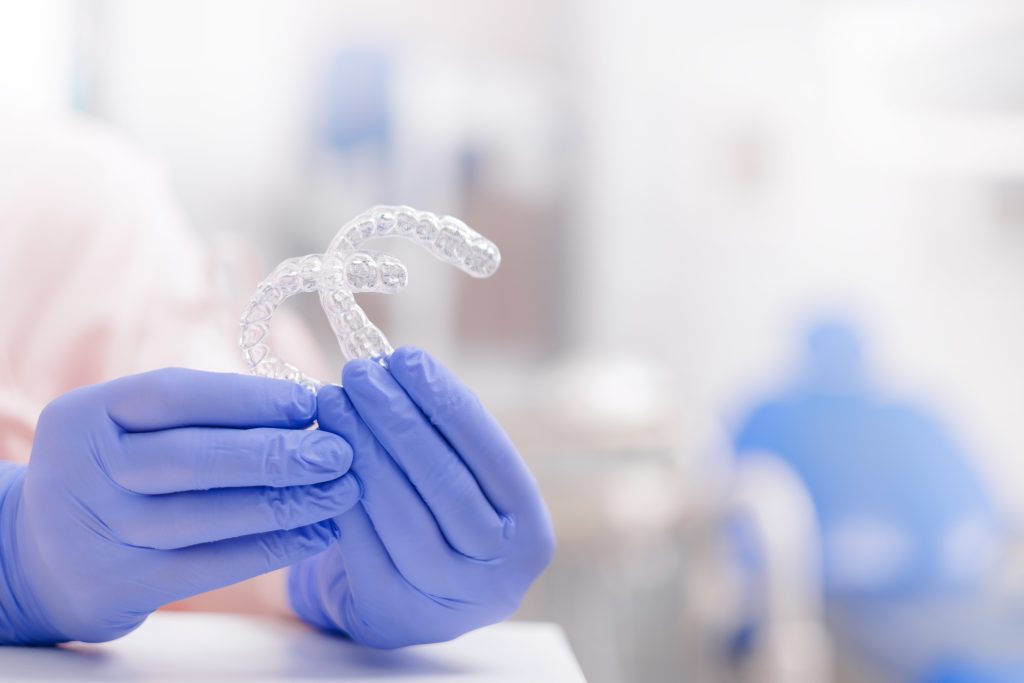
Maybe your bottom teeth look a little more crowded than they used to. Perhaps a gap has become more noticeable, or your bite simply feels different. Even if you had straight teeth when you were younger, your smile can change over time.
Adult teeth can keep shifting throughout life. That means you may notice changes in your smile years after your teenage years, even if you previously had orthodontic treatment.
The good news is that age alone does not necessarily keep you from straightening your teeth. For adults who want to address crowding, gaps, or certain bite concerns without traditional metal braces, Invisalign for adults may provide another option.
At Oshkosh Complete Dentistry, Dr. Bob Heil offers Invisalign clear aligners customized to move teeth into better alignment gradually. If you’ve noticed changes in your smile, understanding why they happen and what Invisalign treatment involves can help you decide on your next step.
Why Do Teeth Shift as You Get Older?
Your teeth are not permanently fixed in one position throughout your entire adult life. Teeth can gradually shift over time, so a smile that looked one way at 25 may look different at 35, 45, or beyond.
You might first notice something small. Floss may feel tighter between certain teeth. One lower tooth may begin overlapping another. A space between two teeth may become easier to see in photos. You may also notice that your upper and lower teeth meet differently when you bite.
Previous orthodontic treatment does not guarantee teeth will never move again. Teeth can shift years after braces or clear aligners, particularly when retainers are not worn as directed.
New or worsening alignment changes deserve a professional evaluation. Changes in spacing, crowding, and your bite can have different causes, and you should have a professional evaluate your dental needs before deciding whether orthodontic care is appropriate.
Am I Too Old for Invisalign?
No simple age limit determines whether someone can receive orthodontic treatment. Adults can pursue treatment well beyond their teenage years, and your individual oral health and alignment concerns matter when determining whether Invisalign is appropriate.
At Oshkosh Complete Dentistry, Invisalign is used to address several common alignment issues, including:
- Crowded or overlapping teeth
- Gaps between teeth
- Overbites
- Underbites
- Crossbites
- Open bites
That makes Invisalign for adults worth discussing if you have crooked teeth or have recently become more aware of changes in your alignment.
Your first step is an evaluation with Dr. Heil. He can look at your smile, discuss your treatment goals, and determine whether clear aligners fit your specific dental needs. Some orthodontic concerns are more complex than others, so an individualized evaluation is important before starting treatment.
Why Does Adult Tooth Alignment Matter?
Wanting straighter teeth is often connected to confidence. You may have started hiding your teeth in photos or become increasingly aware of crowding every time you look in the mirror.
Alignment can also affect your oral health and daily life.
For example, Oshkosh Complete Dentistry notes that overlapping or crowded teeth can make brushing and flossing more difficult. When areas are harder to clean, plaque and bacteria can remain in hard-to-reach spots.
Spaces between teeth can create their own challenges. Food particles and bacteria may collect there. Bite issues can also affect how the upper and lower teeth come together, potentially contributing to excessive tooth enamel wear.
A straighter smile can therefore benefit your everyday dental care. Your reason for exploring adult orthodontics may begin with appearance, oral hygiene, bite function, or a combination of concerns.
How Does Invisalign for Adults Work?
Invisalign treatment uses a series of clear aligners rather than metal brackets and wires.
At Oshkosh Complete Dentistry, we make Invisalign aligners with SmartTrack material and customize them to fit your mouth. Each set of aligners applies controlled pressure that guides your teeth toward their planned positions.
You wear each set of aligners for a designated period before moving on to the next set in the series. Oshkosh Complete Dentistry recommends wearing the aligners for 20 to 22 hours each day and changing trays according to the treatment timeline provided by the practice.
This gradual process allows tooth movement over the course of your treatment.
Your individual treatment time will depend on your smile and the alignment issues being addressed. Following your recommended wear schedule is an important part of keeping your Invisalign treatment on track.
What Is Invisalign Like During Daily Life?
For many adult patients, the practical side of orthodontic treatment matters as much as appearance.
You have work meetings, dinners with friends, family events, vacations, and an established daily routine. The thought of significantly changing those routines can make you hesitant to pursue adult braces or other orthodontic treatment.
Removable aligners offer flexibility.
Because Invisalign aligners can be removed, you can continue eating the foods you normally enjoy instead of navigating many of the food restrictions associated with traditional braces. You remove your aligners to eat, then clean your teeth before putting them back in.
That removability can also make oral hygiene feel more familiar. You can continue brushing and flossing without working around metal brackets and wires.
The aligners themselves are clear and discreet. For an adult who spends the day talking with customers, coworkers, friends, or family, that subtle appearance can be appealing.
Consistency still matters. You need to wear removable aligners as directed by your treatment plan to move your teeth effectively. Invisalign provides flexibility while still requiring patient compliance throughout treatment.
Does Invisalign Hurt?
Moving teeth requires pressure, so you may notice some mild pressure as your teeth adjust to a new set of aligners.
Invisalign approaches tooth movement differently from traditional metal braces. Instead of metal brackets and wires, the system uses smooth, custom-made plastic aligners. Oshkosh Complete Dentistry describes the aligners as low-profile and designed around the contours of your mouth to reduce soft-tissue irritation.
Knowing what to expect can make the process feel less intimidating, especially if it is your first time considering orthodontic care.
Dr. Heil and the Oshkosh Complete Dentistry team focus on personalized care and clear explanations, so you can understand what your treatment involves and ask questions along the way.
What If I Had Braces When I Was Younger?
Seeing crooked teeth return after going through orthodontic treatment years ago can be frustrating. It can also leave you wondering whether you have somehow “missed your chance” to have a straight smile.
You haven’t.
Teeth can move after previous orthodontic treatment. If your smile has shifted, the right treatment depends on how much movement has occurred and your current oral health.
That does not mean every adult who notices a small change needs a new round of treatment. An evaluation can help determine what has changed and whether additional orthodontic care makes sense for you.
If treatment is appropriate, Invisalign may help address alignment without returning to the experience of traditional metal braces you remember from your younger years.
How Is Invisalign Different From Traditional Braces?
Both traditional braces and clear aligners move teeth, but the treatment experience differs.
Traditional metal braces use brackets and wires that stay attached to the teeth throughout treatment. Invisalign uses a series of clear, removable aligners.
For adult patients, several practical differences can stand out. Invisalign aligners are discreet, removable for meals, and allow you to brush and floss without navigating around fixed brackets.
Oshkosh Complete Dentistry also uses an in-house digital impression scanner as part of its orthodontic services. Your Invisalign aligners are customized to your smile and designed to guide your teeth through specific stages of realignment.
The better choice depends on your individual case. Invisalign can address a variety of alignment issues, but an evaluation is needed to determine whether it suits your needs.
What Should I Expect at My First Invisalign Appointment?
You do not need to arrive already knowing whether Invisalign is the right decision.
Think of your first appointment as an opportunity to get answers.
Maybe you want to know why one tooth has started moving. Maybe you’re concerned about severe crowding. Perhaps your biggest question involves treatment length, total cost, or whether Invisalign can address your particular bite issues.
Your consultation gives you a chance to discuss those concerns with Dr. Heil and learn what treatment could look like for your smile.
The cost of Invisalign varies because treatment needs vary from patient to patient. Oshkosh Complete Dentistry provides individual cost information during the consultation and can review ways to make treatment more affordable.
Rather than comparing your smile with someone else’s Invisalign experience, you can leave with information specific to your teeth, goals, and treatment needs.
A Straighter Smile Can Start at Any Age
Noticing that your teeth have shifted can feel surprising, especially when you have spent years assuming your smile was finished changing.
Adult tooth movement is possible, and orthodontic treatment is not reserved for younger patients. If crowding, gaps, crooked teeth, or bite changes have you thinking about your smile differently, an evaluation can give you a clearer picture of your options.
For eligible adult patients, Invisalign offers a discreet and removable approach to orthodontic treatment. You can continue eating your favorite foods, maintain your normal brushing and flossing routine, and work toward better alignment without traditional metal braces.
Ready to find out whether Invisalign for adults could work for your smile? Contact Oshkosh Complete Dentistry to schedule a consultation with Dr. Heil and learn what personalized treatment could look like for you.
About the Author
Dr. Bob Heil has more than 20 years of experience providing patient-focused dental care and leads Oshkosh Complete Dentistry with an emphasis on personalized, modern treatment. His approach combines comprehensive dentistry with a comfortable environment where patients can understand their options and make informed decisions about their care.
If you have noticed changes in your tooth alignment or are interested in Invisalign for adults, Dr. Heil and the Oshkosh Complete Dentistry team can help you explore your options. Contact the practice to schedule an appointment and take the first step toward a healthier, more confident smile.
I Broke a Tooth at Dinner. Can It Be Fixed Before It Gets Worse?
June 15, 2026

It always seems to happen at the worst time. You are enjoying dinner, bite down on something a little too hard, and suddenly you feel it: a sharp edge, a weird crack, or a piece of tooth that was not there a moment ago. If you have a broken tooth, it is normal to feel worried, distracted, and unsure of what to do next.
The good news is that many broken teeth can be repaired, and quick action makes a real difference in comfort and long-term oral health. At Oshkosh Complete Dentistry, we focus on your needs first, explain what we see in a clear way, and help you choose treatment options that fit your smile and your schedule in a comfortable, modern environment.
Why a broken tooth can get worse quickly
When a tooth breaks, it is rarely only a surface problem. The outer layer, called tooth enamel, protects the more sensitive inner layers that contain blood vessels and the tooth pulp. Once that protective shell is compromised, temperature changes, pressure from chewing, and bacteria can cause further damage.
A minor chip may stay stable for a while, but a cracked tooth or fractured tooth can spread with time, especially if you keep chewing on it or accidentally bite hard objects again. Putting off dental care also increases the risk of severe pain, signs of infection, and even tooth loss. Prompt dental treatment often means a simpler repair and a better chance of saving your natural tooth.
What should you do right away? Immediate first aid for a dental emergency
If a tooth breaks during a meal, take a breath and focus on immediate first aid that protects the damaged tooth and keeps you comfortable until you can see dental professionals. These steps are a good idea for many situations involving broken teeth, whether it is a small broken piece or a larger tooth fracture.
Here are practical first aid tips you can do at home:
- Rinse gently with warm water or a warm salt water rinse. A saline solution helps clean the area without irritating it. Aim for a gentle rinse, not vigorous swishing.
- Check for bleeding and apply a clean cloth with light pressure if needed. If swelling starts, place a cold compress or ice pack on the outside of your cheek.
- Save any piece of tooth you find. Place it in a clean container and bring it with you. Sometimes a broken piece can help your dentist understand the extent of the damage.
- Use dental wax if a sharp edge is cutting your tongue or cheek. This can make talking and sleeping easier.
- Stick to soft foods and chew on the opposite side. Avoid hard foods and crunchy snacks that can worsen a cracked tooth.
- Manage discomfort safely with over-the-counter pain relievers as directed.
If you have serious swelling, trouble breathing or swallowing, uncontrolled bleeding, or significant facial trauma, seek immediate medical care. For most tooth injuries that are painful but stable, contacting a dentist for immediate attention is the next best step.
When should you call an emergency dentist in Oshkosh?
You do not need to guess whether your situation “counts” as a dental emergency. If your tooth hurts, if you see a fracture line, or if a filling or crown came off, it is worth calling. Pain and sensitivity to hot and cold can mean the crack is deeper than it looks.
You should reach out right away if you notice any of the following:
- Severe pain that does not settle down
- A broken tooth with a large missing area or a visible hole
- A cracked tooth that feels worse when you bite
- Swelling, bad taste, or signs of infection near the gumline
- A damaged tooth that is changing color
- Worsening sensitivity to temperature changes
Quick action helps limit further damage and protects the remaining tooth structure. Even if you are traveling, have a busy week, or feel nervous about dental visits, getting guidance early can help you feel more in control.
Can a broken tooth be repaired, or will you need a crown or root canal?
Yes, many broken teeth can be repaired. The best option depends on where the tooth broke, how deep the crack goes, and whether the nerve is involved. In our office, the goal is to preserve as much healthy tooth as possible and restore comfort and confidence.
Tooth-colored fillings and simple bonding for minor damage
If the damage is small, like a minor chip or a small missing corner, a tooth-colored filling or simple bonding may be all you need. These repairs can protect the tooth enamel, smooth rough edges, and restore a natural look so you can smile and eat comfortably again.
Dental crowns for a tooth that needs stronger protection
If the tooth fracture is larger or the tooth has weakened structure, a dental crown can often provide the protection a filling cannot. A crown covers the top of the tooth and helps hold it together, reducing the chance of future cracking. Oshkosh Complete Dentistry uses modern restorative options, including eMax and Zirconia restorations, and we take digital impressions in-house for a more streamlined experience.
Many patients like crowns because they feel secure while chewing, look natural, and support long-term dental health. Crowns are a common solution after a broken tooth, especially when the tooth has lost a lot of structure.
Root canal treatment when the nerve is affected
Sometimes a break reaches the inner tooth pulp where the nerves and blood vessels live. If that happens, you may feel lingering sensitivity, throbbing, or pain that wakes you up. In these cases, root canal therapy may be a key part of your treatment because it addresses the inflamed or infected tissue inside the tooth.
Root canal does not automatically mean you did something wrong; it often means the crack or damaged tooth extended deeper than expected. After root canal therapy, many teeth still need a crown for strength so the tooth can function like permanent teeth should.
How do you protect the tooth while you wait to be seen?
Waiting even a day or two can feel stressful. Focus on protecting the tooth and keeping pressure off it. Continue warm water rinses, keep meals gentle, and avoid chewing on that side.
A few practical reminders can help prevent tooth loss or additional fractures while you wait:
- Choose soft foods like eggs, yogurt, pasta, and soup, and skip hard foods like ice, nuts, or crusty bread.
- Avoid biting with the damaged tooth, especially if you feel a “zig-zag” edge or clicking.
- Brush carefully with fluoride toothpaste, but go slow around sore gums.
- If a sharp spot is rubbing your cheek, cover it with dental wax and use an ice pack outside of your cheek for swelling.
If pain worsens, swelling increases, or you notice signs of infection, call right away. In some situations, a dentist may recommend antibiotics; if they are prescribed, take the full course of antibiotics exactly as directed.
A simple next step: get the tooth checked before it turns into bigger problems
If you are dealing with a broken tooth, you deserve clear answers and a plan you feel good about. Repairing a damaged tooth often prevents bigger issues later, and it can help you get back to eating, talking, and smiling without constantly thinking about that sharp edge.
If you are in Oshkosh or the surrounding area, contact Oshkosh Complete Dentistry to schedule an emergency dentistry visit. We provide comprehensive dentistry under one roof, and we will help you understand your options, including tooth-colored fillings, dental crowns, and CEREC crowns when appropriate, so you can move forward with confidence.
About the Author
Dr. Bob Heil is a highly experienced dentist with more than 20 years of providing patient-focused care. He is committed to delivering modern, personalized dentistry in a comfortable environment, including restorative solutions like tooth-colored fillings and dental crowns for a broken tooth. Whether you need immediate attention after a dental emergency or want to understand the best option for your smile, Dr. Heil and his team are here to guide you every step of the way. To learn more or schedule an appointment, contact Oshkosh Complete Dentistry.
Bleeding Gums While Brushing: What Your Mouth Is Trying to Tell You
May 15, 2026
You’re brushing like you always do, you spit, and there it is: pink in the sink. If you’ve ever wondered bleeding gums when I brush means you did something wrong, you’re not alone. Gum bleeding can feel sudden, confusing, and a little alarming.
The good news is that bleeding is often a warning sign you can act on early. Your gums are living tissue with a strong blood flow, and when they’re irritated or inflamed, they tend to let you know quickly. Paying attention now can protect your comfort, confidence, and long-term oral health.
At Oshkosh Complete Dentistry, we focus on your needs and take the time to explain what your mouth is telling you, what to do at home, and when to come in for preventive dentistry or periodontal treatment like scaling and root planing.
Why do bleeding gums happen with brushing and flossing?
Bleeding during brushing or flossing usually points to inflammation along the gum line. When plaque buildup sits near the gum tissue, your body responds with redness, swelling, and bleeding. Many people notice gum bleeding when they restart flossing after a long time or when their oral hygiene routine has been inconsistent.
This can feel frustrating because you may be brushing harder to “fix it,” but aggressive brushing can make irritation worse. Your toothbrush bristles should be gentle, and your technique steady rather than forceful. Regular brushing and daily flossing matter, but they work best with proper oral hygiene habits, not pressure.
If you’re seeing bleeding gums consistently for more than a few days, it’s worth treating it as a message, not a mystery.
Is it ever “normal” to see occasional bleeding?
Occasional bleeding can happen, especially if you floss for the first time in a while, switch toothpaste, or accidentally scrape the gums with stiff bristles. Still, healthy gums typically do not bleed during brushing or flossing. Think of bleeding as a helpful signal that something needs attention, even if the fix is simple.
You might also notice symptoms that travel with bleeding, including bad breath, tenderness, or visible swelling. These signs of gingivitis can develop quietly, so it’s common to feel fine while your gum inflammation builds in the background.
When we talk with patients, we focus on the cause of bleeding and how the situation feels day to day, not only what it looks like clinically. That patient-first approach helps you make clear, confident next steps.
What is the most common cause of bleeding gums?
Plaque is the leading cause behind bleeding gums. This sticky film collects bacteria along the gum line, and if it isn’t removed with regular brushing and flossing, it hardens into tartar (calcified plaque) that can’t be brushed away at home. Once that happens, routine cleaning with a dental hygienist becomes important to fully remove buildup and calm the inflammation.
Early gum disease often starts as gingivitis, a mild form of gum disease. Symptoms of gingivitis include bleeding, swelling, and persistent tenderness. Without treatment, gingivitis can progress into periodontal disease (periodontitis), which can contribute to gum recession, deeper infection, and even tooth loss over time.
The most empowering part is that early gum disease is often manageable with consistent home care and regular dental appointments, especially when you catch it early.
Could health conditions or medications be the reason my gums bleed?
Yes. Your mouth can reflect broader health issues, and bleeding may connect to health conditions or medications that affect clotting and healing. Blood thinners can make gums bleed more easily, even with gentle brushing. Vitamin deficiencies, including low vitamin K, can also play a role in how your body manages bleeding.
Hormonal changes are another common factor. Pregnancy gingivitis can occur when hormones increase sensitivity in gum tissue, making inflammation and gum bleeding more likely even if your oral hygiene stays the same. Dry mouth can contribute, too, because saliva helps wash away plaque and bacteria that irritate the gums.
Because there are multiple possible causes of bleeding, a personalized exam helps you avoid guessing. If you’re worried about severe health conditions such as heart disease connections often discussed online, the best step is to get your gums evaluated and coordinate with your medical team as needed.
What are the signs of gum disease you should not ignore?
Bleeding is often the first warning sign, but it’s rarely the only one. As gum disease progresses, you may start to notice changes that affect comfort, confidence, and even how you eat.
Watch for these signs of gum disease:
- Persistent bleeding during brushing or flossing
- Swelling or tenderness around the gumline
- Bad breath that lingers even after mouthwash
- Gum recession or teeth that look “longer”
- Sensitivity to hot & cold near exposed roots
- A loose tooth sensation or shifting bite
If symptoms continue, periodontal disease can become serious gum disease. At that stage, treatment is still possible, but it typically requires more involved care and closer monitoring.
When bleeding gums when I brush points to gingivitis vs. periodontitis
Gingivitis is inflammation of the gums without damage to the bone support around teeth. It is often tied to plaque buildup and improves with good oral hygiene, professional cleaning, and consistent follow-up. Periodontitis (periodontal disease) means the infection has progressed deeper, and the structures supporting your teeth can be affected.
One reason this matters is that periodontitis raises the risk of tooth loss over a long time. It can also create pocketing that traps bacteria under the gum tissue, making it difficult to manage with home brushing and flossing alone.
At Oshkosh Complete Dentistry, we keep the conversation calm and clear. You’ll hear what we’re seeing, what it means, and what the next step looks like, without feeling rushed or overwhelmed.
What can I do at home to help stop gum bleeding?
Home care plays a big role, especially when the issue is early. The goal is to remove plaque gently and consistently, so the gums can settle down and return to healthy gums.
Here are patient-friendly steps that often help:
- Use a soft-bristled toothbrush and focus on the gum line with gentle circles
- Stick with twice-a-day brushing and nightly flossing, even if you see a small bleed at first
- Consider an ADA-recommended toothpaste (the American Dental Association seal can be a helpful guide)
- If you use mouthwash, choose one that does not leave your mouth feeling overly dry
- If you smoke, know that smoking impacts healing and can worsen gum disease
If you’re helping a child build habits, choose tools they enjoy and can handle comfortably. The key is proper oral hygiene that you can maintain, not a perfect routine that falls apart after a week.
What treatment helps when home care is not enough?
If your gums keep bleeding, or if we see that the infection has progressed beyond gingivitis, periodontal treatment can help you turn things around. At Oshkosh Complete Dentistry, we offer precise, comfortable, and personalized gum therapy, with options designed to stop infection, support healing, and protect your smile.
For more advanced cases, scaling and root planing may be recommended. Scaling removes plaque and tartar from above and below the gum tissue, and root planing smooths the root surfaces so the gum tissue can reattach more easily. This approach can reduce ongoing inflammation and help slow gum recession.
Some patients may also benefit from targeted antibiotic therapy to promote healing between visits. If deeper care is needed, your dentist will explain why, what you can expect, and how follow-ups support stable results. Many patients who need this type of care return every three to four months for maintenance to help prevent the disease from coming back.
When should you call a dentist about bleeding?
If bleeding lasts more than a week despite gentle brushing and flossing, schedule an exam. You should also come in sooner if you notice swelling, pain, gum recession, persistent bad breath, or any concern about a loose tooth. Bleeding paired with tooth decay, sensitivity, or jaw discomfort can also signal that more than one issue is happening at the same time.
You deserve straightforward answers in a comfortable, modern environment. Getting clarity early often prevents more serious gum disease later, and it keeps your everyday routine easy again.
Ready for answers and relief?
If you keep seeing bleeding gums when I brush, your mouth is asking for a little support. Oshkosh Complete Dentistry provides comprehensive dentistry under one roof, so you can get preventive dentistry, periodontal evaluation, and personalized treatment without bouncing between offices. Schedule a visit and get a plan that helps you feel confident about your oral health.
Spring Cleaning with a Professional Teeth Cleaning: What Your Smile Actually Needs
April 15, 2026

Spring has a way of making you notice the little things. Sunlight hits the windows, you spot the dust, and suddenly you feel ready for a reset. Your smile deserves that same kind of fresh start, especially after a long Wisconsin winter of comfort foods, busy schedules, and dry indoor heat.
If you’ve been searching for the best way to get truly clean teeth, it helps to know what works, what wastes your time, and what can even cause dental issues. A smart spring refresh protects your oral health, supports your overall health, and helps you feel confident every time you laugh, talk, or smile.
What does “spring cleaning” mean for your oral health?
For your teeth and gums, spring cleaning means removing buildup you cannot reach at home and checking for small problems before they become bigger dental issues. Your daily brushing and flossing matter, but plaque can harden into tartar along the gum line, and that requires a dental office visit. A dental cleaning also helps with stains and bad breath, and it gives you a clear plan for your oral care routine going forward.
Regular dental cleanings are also a simple way to protect oral health over time. When you stay ahead of inflammation and harmful bacteria, you lower the chance of bigger concerns like gum disease, tooth decay, and even tooth loss.
What your teeth actually need: the simple “reset” plan
A real refresh comes down to three core steps, and they fit comfortably into a normal preventive visit.
1) A thorough teeth cleaning with a dental hygienist
Your hygienist removes plaque and tartar using special tools designed for safety and precision. If you have a lot of tartar buildup, this is where you’ll feel the biggest difference afterward. That smooth, clean feeling is not just “polish,” it’s a healthier surface that makes it harder for plaque to stick.
2) A complete dental exam with your dentist
A dental exam is your chance to catch small cavities, early decay, worn enamel, or dental crowns that need attention. Your dentist may use a small mirror to check areas you cannot see and to look closely at your gums. You also get the chance to ask questions and understand what your mouth needs next, without feeling rushed.
3) Extra protection when it benefits you, like fluoride treatment
Fluoride supports enamel and helps lower the risk of cavities. Depending on your needs, your dental team might recommend liquid fluoride or fluoride varnish. These options are common in preventive dentistry and can be especially helpful if you’re prone to tooth decay or sensitivity.
What you can expect during a professional teeth cleaning in Oshkosh
If going to the dentist makes you anxious, you’re not alone. Many people worry they’ll be judged, surprised by discomfort, or left unsure about what’s happening. At Oshkosh Complete Dentistry, the goal is to help you feel comfortable in a modern environment while staying focused on your needs.
A typical visit includes a conversation about your oral health problems or dental issues, plus a close look at your gum line and any areas of concern. During your dental cleaning, you’ll likely notice careful scaling to remove tartar, followed by polishing to lift surface stains and leave your teeth feeling fresh. Many patients also appreciate a clear “what now” summary at the end, including a final checkup and tips for brushing and flossing at home.
What your smile does not need: common spring-cleaning myths
It’s tempting to treat your teeth like tile grout and go after them with extra force or DIY tricks. A healthy smile responds best to gentle consistency and professional guidance, not aggressive cleaning hacks.
Here are a few common myths worth letting go of:
- Overbrushing or scrubbing harder. Brushing with too much pressure can irritate gums and wear enamel. A soft toothbrush and good technique protect your mouth better than force.
- Charcoal, harsh abrasives, or random “whitening” recipes. These can increase stains over time by roughening enamel or irritating gums, and they don’t replace professional cleanings.
- Skipping floss because you “brush well.” Flossing removes plaque between teeth where brushing cannot reach. It also protects the gums, where periodontal disease begins.
- Using mouthwash as a substitute for regular cleaning. Rinses can freshen breath, but they don’t remove tartar or fix decay.
If you want a beautiful smile, the safest path is a solid home routine plus regular teeth cleaning with a trusted dentist and hygienist.
Are your gums trying to tell you something?
If your gums bleed when you brush or floss, if you notice puffiness along the gum line, or if bad breath keeps coming back, those can be signs of inflammation. Many people wait for pain, but gum disease often stays quiet early on. Early care keeps gums healthier and helps protect your overall oral health.
Healthy gums feel firm, look pink (not red), and don’t bleed easily. When gums stay irritated, harmful bacteria can settle in deeper, increasing the risk of periodontal disease and, in advanced cases, tooth loss.
When a “regular cleaning” is not enough: understanding periodontal treatment
Most patients do great with regular dental cleanings, but some need more focused care below the gum line. If your dental team finds signs of gum disease, they may recommend periodontal treatment such as scaling and root planing. This deep cleaning targets bacteria and tartar under the gums, helping reduce inflammation and giving your gums a healthier environment to reattach.
Some patients also benefit from antibiotic therapy as part of periodontal care. The goal is straightforward: help your gums heal so you can keep your teeth longer and avoid bigger dental problems later on. If you’ve been told you need deeper cleaning, you deserve a calm explanation and a plan that feels doable step by step.
The home “spring routine” that keeps professional results longer
Think of your dental office visit as the reset, and your daily habits as the maintenance plan. You don’t need an overwhelming routine to support good oral health. You need consistency, the right tools, and guidance tailored to you.
Here’s a spring-ready routine many patients find sustainable:
- Brush twice daily with fluoride toothpaste and a soft toothbrush
- Angle bristles toward the gum line and use gentle pressure
- Floss once daily to remove plaque between teeth
- Stay hydrated, since dry mouth can raise cavity risk
- Keep an eye on stains and ask about safe whitening options if they bother you
- Schedule regular dental cleanings so tartar doesn’t build up again
If you grind or clench, nightguards for bruxism can also protect teeth from wear and help prevent future dental crowns or repairs. Your dentist can tell you if you show signs of jaw tension or enamel wear.
Why this matters beyond your mouth: oral health and overall health
Your mouth connects to the rest of your body every day, and your gums are living tissue that can become inflamed. Research continues to explore the relationship between gum disease and overall health, including heart disease. The American Dental Association (ADA) encourages preventive care like regular cleanings and routine dental exams because they support long-term wellness.
If you’ve heard about a risk of heart disease, it’s another good reason to take oral health seriously and keep up with regular dental cleanings. A consistent teeth cleaning schedule helps control plaque and tartar, supports healthier gums, and keeps small concerns from turning into bigger oral health issues.
Ready for a true spring reset in Oshkosh, WI?
A spring refresh for your smile should feel encouraging, not stressful. Professional teeth care gives you clean teeth, clearer answers, and a plan you can follow at home without guessing. You also get the convenience of comprehensive dentistry under one roof, so you can address preventive needs and periodontal concerns in one familiar place.
If you’re due for a professional teeth cleaning, or if you’re worried about gums, plaque, tartar, cavities, or ongoing bad breath, schedule a visit at Oshkosh Complete Dentistry. You’ll be welcomed, listened to, and cared for with personalized attention, so you can leave feeling confident about your next steps and your healthy smile.
By the Numbers: How Many Veneers Does Your Smile Need?
March 16, 2026
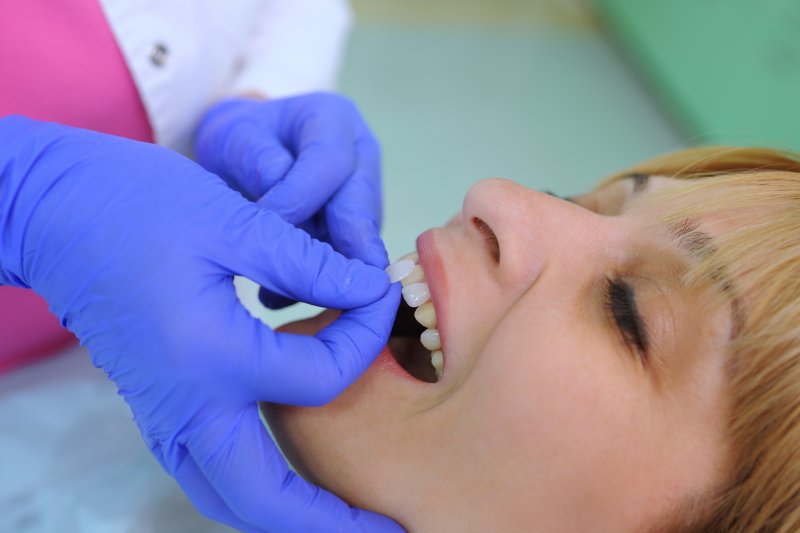
Dental veneers remain one of the most popular cosmetic dentistry options because they can transform smiles by masking imperfections. Their versatility and lifelike appearance make them an attractive option for those who need help boosting their confidence. But is there a certain number of veneers a person needs? If you are considering this cosmetic treatment, keep reading to learn what dentists recommend.
(more…)Professional Teeth Whitening: The Cost of a Brighter Smile
March 6, 2026
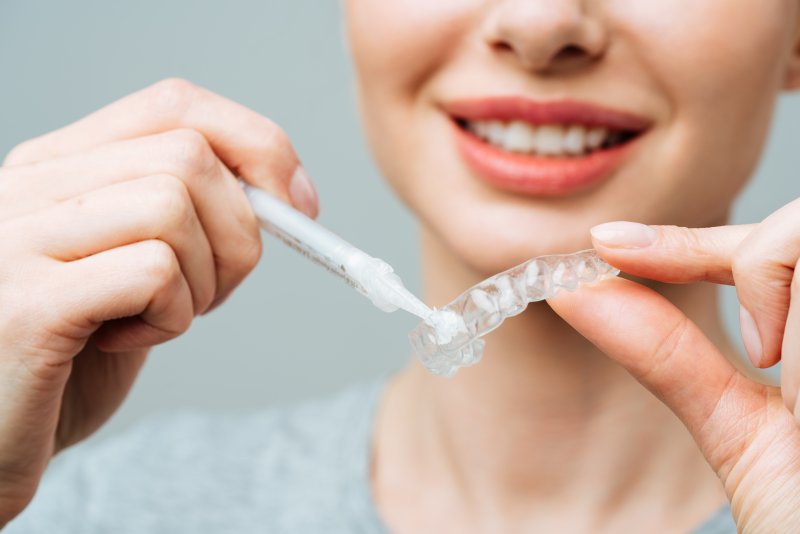
Cosmetic dentistry services are often deemed “elective” or not medically necessary by dental insurance companies. This is why most will not offer coverage for veneers, dental bonding, or professional teeth whitening. Without this type of cost-savings, it can be difficult for many patients to justify seeking treatment. Fortunately, there are other ways to pay without dismantling your budget. Keep reading to discover the different options available and why it may not be as expensive as you think.
(more…)Does Nitrous Oxide Sedation at the Dentist’s Office Put You to Sleep?
February 19, 2026
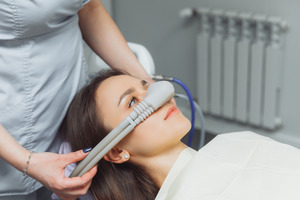
If you need a little help staying calm and comfortable during your next dental appointment, you might benefit from nitrous oxide sedation. However, it’s important to make sure that you have an accurate idea of what you can expect. Some people assume that nitrous oxide will put them to sleep, but is that actually true? Here’s a closer look at the effects of this common form of sedation dentistry.
(more…)Water Flosser vs. Dental Floss: Which Beats Plaque Best?
January 3, 2026

If flossing feels like the hardest part of your oral hygiene routine, you’re definitely not alone. Many people struggle with traditional dental floss, whether it’s due to tight teeth, sensitive gums, or simply finding the time to do it correctly. That’s where water flossers come into the conversation. But are they actually as effective as string floss, or are they just a fancy upgrade?
The answer depends on your needs, habits, and how consistently you clean between your teeth.
(more…)