
Still Tired After a Full Night’s Sleep? Your Dentist May Notice Clues
August 15, 2026
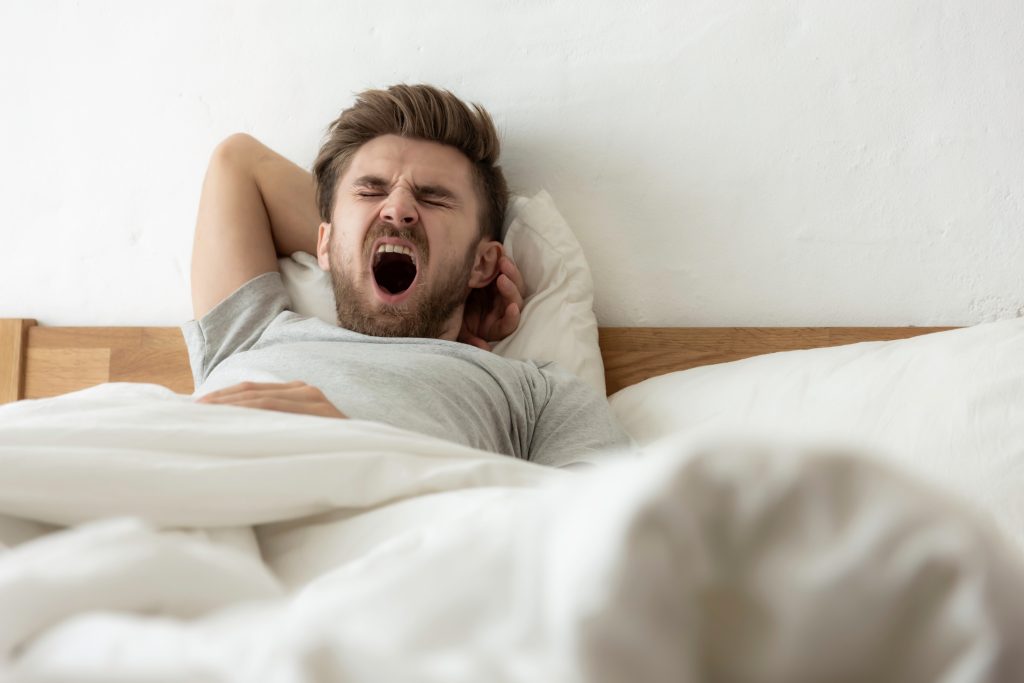
You’ve gotten your full eight hours. You went to bed at a reasonable time, your bedroom was quiet and dark, and you didn’t scroll through your phone before falling asleep. Yet when your alarm goes off, you feel like you barely slept at all. The tired after sleeping feeling follows you throughout the day, making it difficult to focus at work, stay patient with your family, or enjoy the activities you love. If this sounds familiar, you’re not alone, and the answer may not be what you expect.
Many people assume that persistent fatigue is simply part of getting older or managing a busy schedule. While lifestyle factors certainly play a role, chronic exhaustion despite getting enough hours of sleep can point to something deeper. What many don’t realize is that your dentist may be one of the first healthcare providers to notice the signs. During routine dental checkups, subtle clues in your mouth and jaw can reveal underlying sleep disorders that are quietly stealing your restorative rest.
Why Do You Feel Exhausted Even After Sleeping?
When you consistently wake up feeling drained, it’s natural to wonder what’s going wrong. Sleep quality matters just as much as sleep duration. You might be spending enough time in bed, but if your body isn’t cycling through the different stages of sleep properly, you won’t experience the deep sleep and rapid eye movement phases that restore your energy levels and support mental health.
Obstructive sleep apnea is one of the most common culprits. This sleep disorder occurs when the airway becomes blocked during sleep, often by the tongue or soft tissues in the throat. These blockages cause brief pauses in breathing that jolt you awake, sometimes dozens or even hundreds of times per night. While you may not fully remember these sleep disruptions, they prevent you from reaching the restorative sleep your body desperately needs.
Other factors can also contribute to poor sleep quality. Restless legs syndrome, mood disorders, hormonal changes, chronic stress, and environmental factors like screen time before bed can all interfere with your ability to achieve quality sleep. Medical causes such as low iron, thyroid issues, or chronic fatigue syndrome may also be at play. In some cases, long COVID has been linked to ongoing sleep problems and a persistent feeling of unrefreshing sleep that doesn’t improve with rest.
What Clues Does Your Dentist Look For?
Your mouth tells a story about your overall health, including how well you’re sleeping. During a dental checkup, your dentist examines more than just your teeth and gums. They look for signs that may indicate a sleep disorder, particularly obstructive sleep apnea. These clues often go unnoticed by patients but are significant indicators that something is affecting your sleep quality.
One of the most telling signs is tooth wear. If you grind your teeth at night due to sleep apnea or chronic stress, your dentist will notice flattened, chipped, or worn enamel. This grinding, known as bruxism, often happens unconsciously during sleep disruption and can lead to jaw pain, headaches, and further sleep problems. Your tongue can also provide clues. A large tongue or one with scalloped edges from pressing against your teeth may suggest that your airway is being obstructed during sleep.
The size and shape of your airway matter too. A narrow airway, enlarged tonsils, or a low-hanging soft palate can all contribute to loud snoring and breathing interruptions throughout the night. Your dentist may also ask about symptoms you experience during daily life, such as daytime fatigue, morning headaches, or difficulty concentrating. These conversations help paint a fuller picture of what might be happening while you sleep.
How Does Sleep Apnea Affect Your Daily Life?
Living with untreated sleep apnea goes far beyond feeling tired the next day. The lack of restorative rest impacts nearly every aspect of your well-being. You may find yourself relying on multiple cups of coffee just to get through the morning, struggling to stay alert during meetings, or feeling irritable and foggy-headed. Over time, sleep deprivation takes a serious toll on your body and mind.
Chronic fatigue from poor sleep quality can affect your mental health, contributing to anxiety, mood disorders, and difficulty managing stress. Your body also suffers. Sleep apnea has been linked to high blood pressure, heart disease, and stroke. When your breathing stops repeatedly throughout the night, your blood oxygen levels drop, putting strain on your cardiovascular system. Your immune system weakens, making it harder to fight off illness. Weight loss becomes more difficult, as sleep disruption affects the hormones that regulate hunger and metabolism.
The impact on daily life is real. You may avoid social activities because you’re too exhausted. Your work performance may suffer. Relationships can become strained when you’re too tired to engage fully with the people you care about. Recognizing these patterns and seeking help is an important step toward reclaiming your energy and improving your overall quality of life.
Could Oral Appliance Therapy Help You Sleep Better?
If your dentist suspects that a sleep disorder is affecting your rest, they may recommend a sleep study to confirm a diagnosis. This test, which can often be completed in the comfort of your own home, monitors your breathing, heart rate, and sleep cycles to identify issues like obstructive sleep apnea. Once diagnosed, treatment options can help you achieve better sleep and feel more rested.
Oral appliance therapy offers a comfortable, effective solution for many patients. These custom-made devices fit inside your mouth while you sleep, gently repositioning your jaw to keep your airway open. By preventing the soft tissues in your throat from collapsing, the appliance allows for consistent airflow throughout the night. Many patients notice an improvement in their sleep quality right away, waking up feeling more refreshed and alert.
Oral appliances are particularly appealing for patients who have tried other treatments without success or who prefer an alternative to bulky machines. They’re quiet, portable, and easy to use. Some patients who use positive airway pressure machines find that combining them with an oral appliance makes treatment more comfortable and effective. The key is finding a solution tailored to your unique needs.
What Should You Do If You’re Always Tired After Sleeping?
If you consistently feel exhausted despite getting enough sleep, it’s time to take a closer look at what might be happening. Start by evaluating your sleep hygiene. Are you maintaining a consistent sleep schedule? Is your sleep environment cool, dark, and quiet? Are you limiting screen time and caffeine before bed? These lifestyle tweaks can go a long way toward improving your sleep patterns.
However, if you’ve already made these changes and still struggle with persistent fatigue, it’s important to talk to a healthcare provider. Your dentist can be a valuable partner in this process. During your next dental checkup, mention your symptoms. Share details about your sleep duration, how you feel in the morning, and any other concerns like loud snoring or waking up gasping for air. Your dentist can examine your mouth for signs of a sleep disorder and help coordinate a sleep study if needed.
Addressing sleep problems early can prevent more serious medical conditions down the road. Whether the issue is obstructive sleep apnea, restless leg syndrome, or another medical cause, getting a proper diagnosis is the first step toward feeling like yourself again. You deserve restorative rest that supports your energy levels, mental clarity, and long-term health.
Take the First Step Toward Better Sleep
Feeling tired after sleeping shouldn’t be your normal. When you’re constantly fatigued despite doing everything right, it’s easy to feel frustrated and helpless. But you don’t have to accept exhaustion as a permanent part of your life. Understanding the connection between your oral health and sleep quality opens the door to real solutions that can make a meaningful difference.
At Oshkosh Complete Dentistry, we take a comprehensive approach to your health. We listen to your concerns, examine the clues your body is giving us, and work closely with sleep medicine specialists to ensure you receive the personalized care you need. If you’re struggling with sleep problems, excessive daytime fatigue, or loud snoring, we’re here to help you find answers. Schedule an appointment today.
About the Author
Dr. Bob Heil is a highly experienced dentist with more than 20 years of providing patient-focused care in Oshkosh, WI. He is committed to delivering modern, personalized dentistry in a comfortable environment, and he partners with leading sleep physicians to offer comprehensive sleep apnea therapy and oral appliance therapy. Whether you’re exploring treatment options for a sleep disorder or simply looking to improve your overall health, Dr. Heil and his team are here to help guide you every step of the way. To learn more or schedule an appointment, contact Oshkosh Complete Dentistry.